Thomas Kvam / Archive · SchizoLeaks
Nowthatsfuckedup / Krieg dem Kriege
War photographs were the currency. Pornography was the reward. American soldiers in Iraq and Afghanistan uploaded their own photographs to nowthatsfuckedup in exchange for access to pornography. Thomas Kvam preserved part of this archive and republished it as an anti-war document, exposing the distance between the rhetoric of humanitarian warfare and the treatment of its victims.
Created by Chris Wilson, the website developed from snapshots of military life into an archive of mutilated bodies, trophy photographs and comments celebrating the enemy’s suffering. The words matter as much as the images: humiliation is repeated in language, circulated among peers and rewarded with access. The dead become both spectacle and a means of payment.
Published by Kvam’s Office for Contemporary Anarchy in 2011, the book nowthatsfuckedup / Krieg dem Kriege places this material in dialogue with Ernst Friedrich’s anti-war photobook Krieg dem Kriege (1924). Photographs made within a culture of dehumanisation are turned against the wars that produced them. This reversal leaves an ethical wound open: does republishing the images expose the violence, or repeat the humiliation of the people pictured?
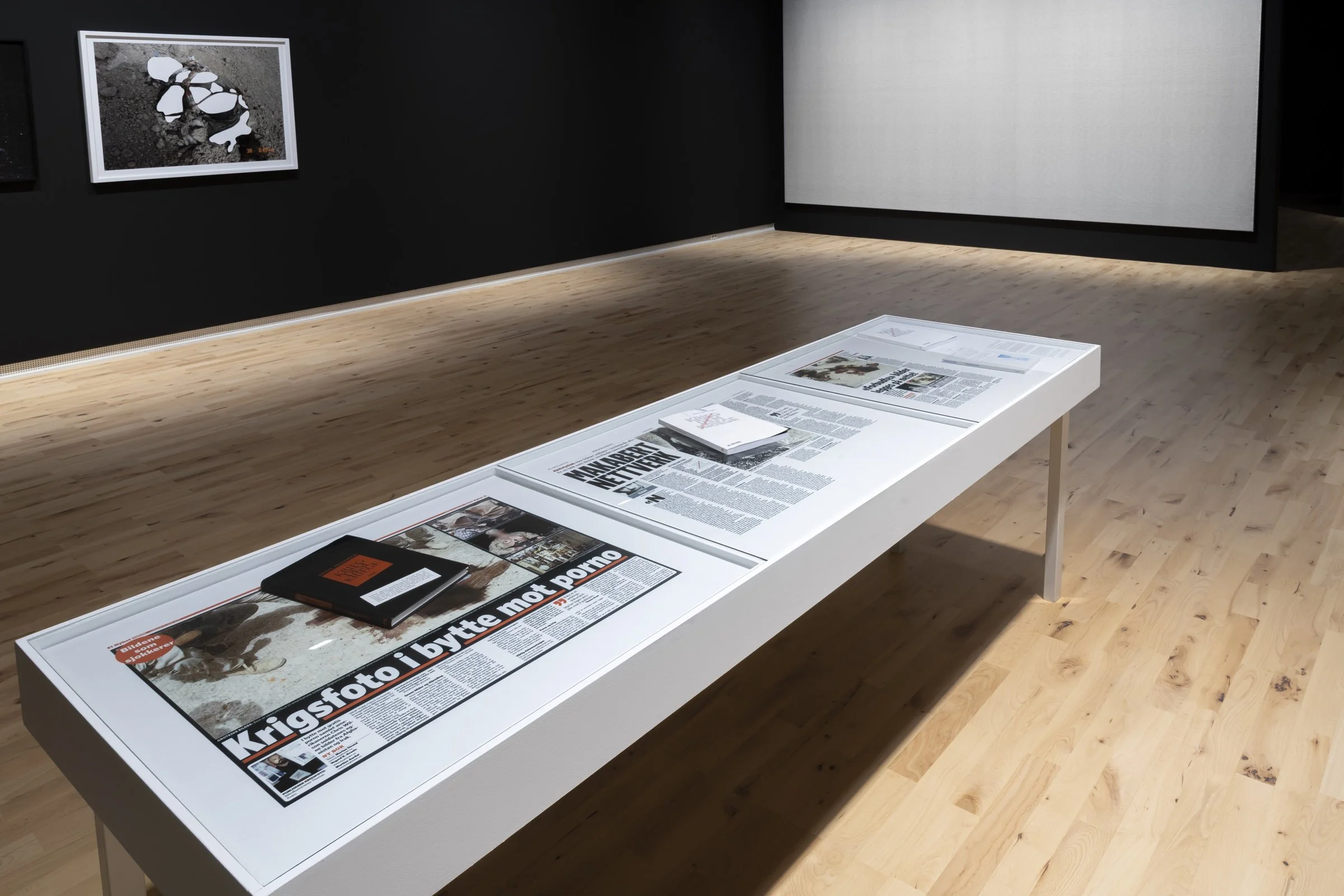
The controversy entered the newspaper itself. Dagbladet reported on the book and defended its importance, while explicitly refusing to print the address where it could be downloaded. Public interest and editorial restraint collided in the same coverage.
From archive to artwork
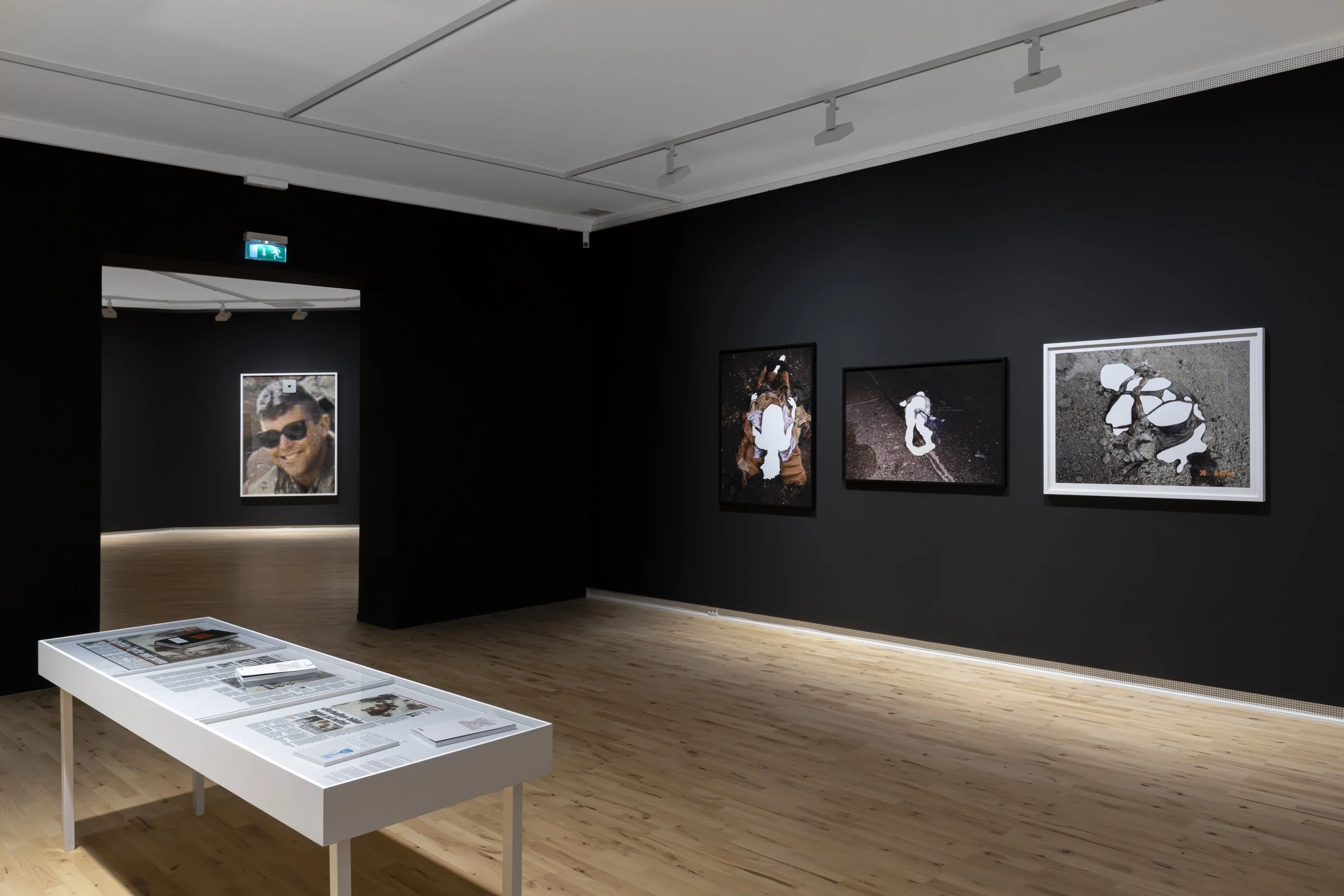
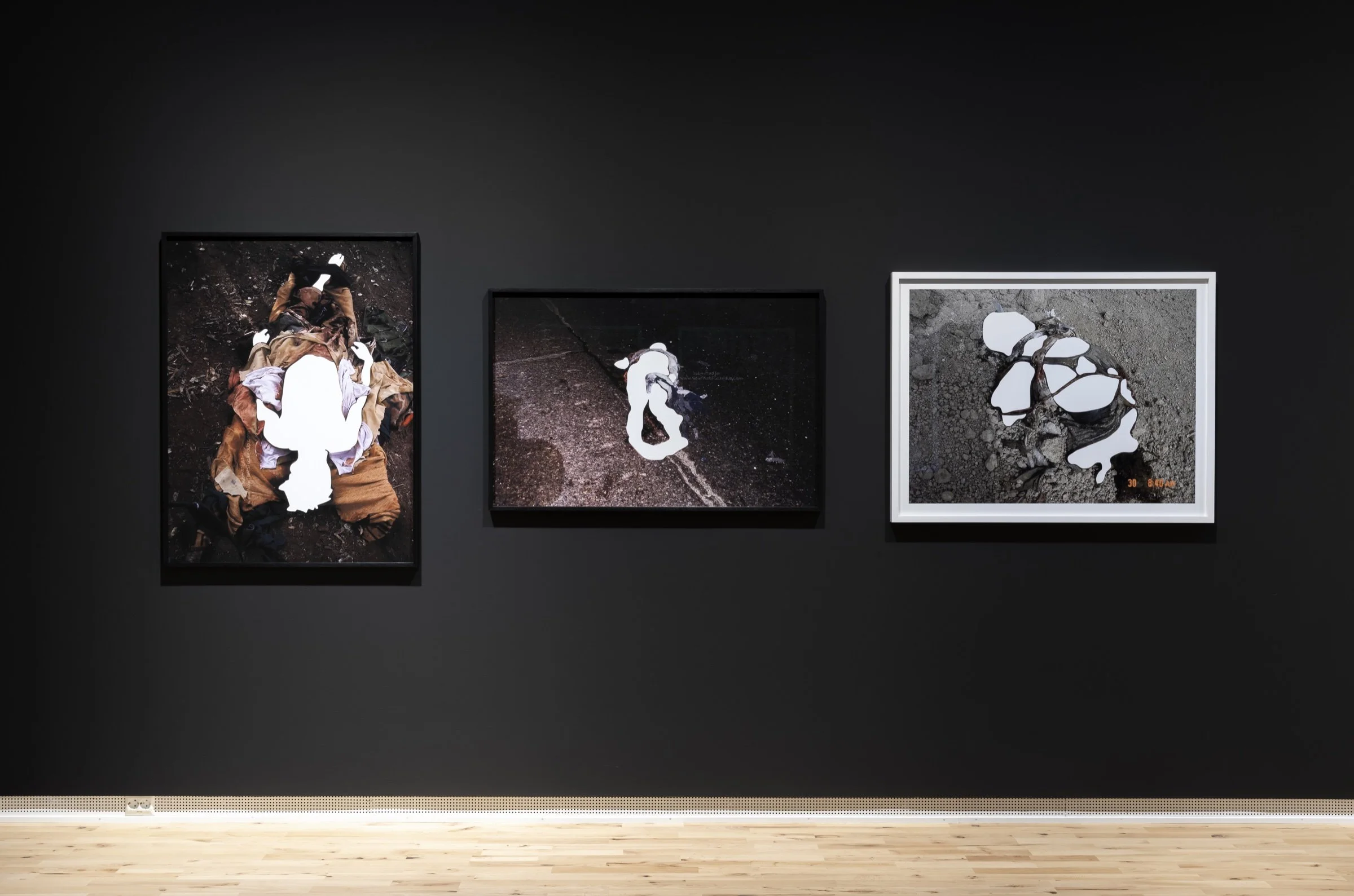
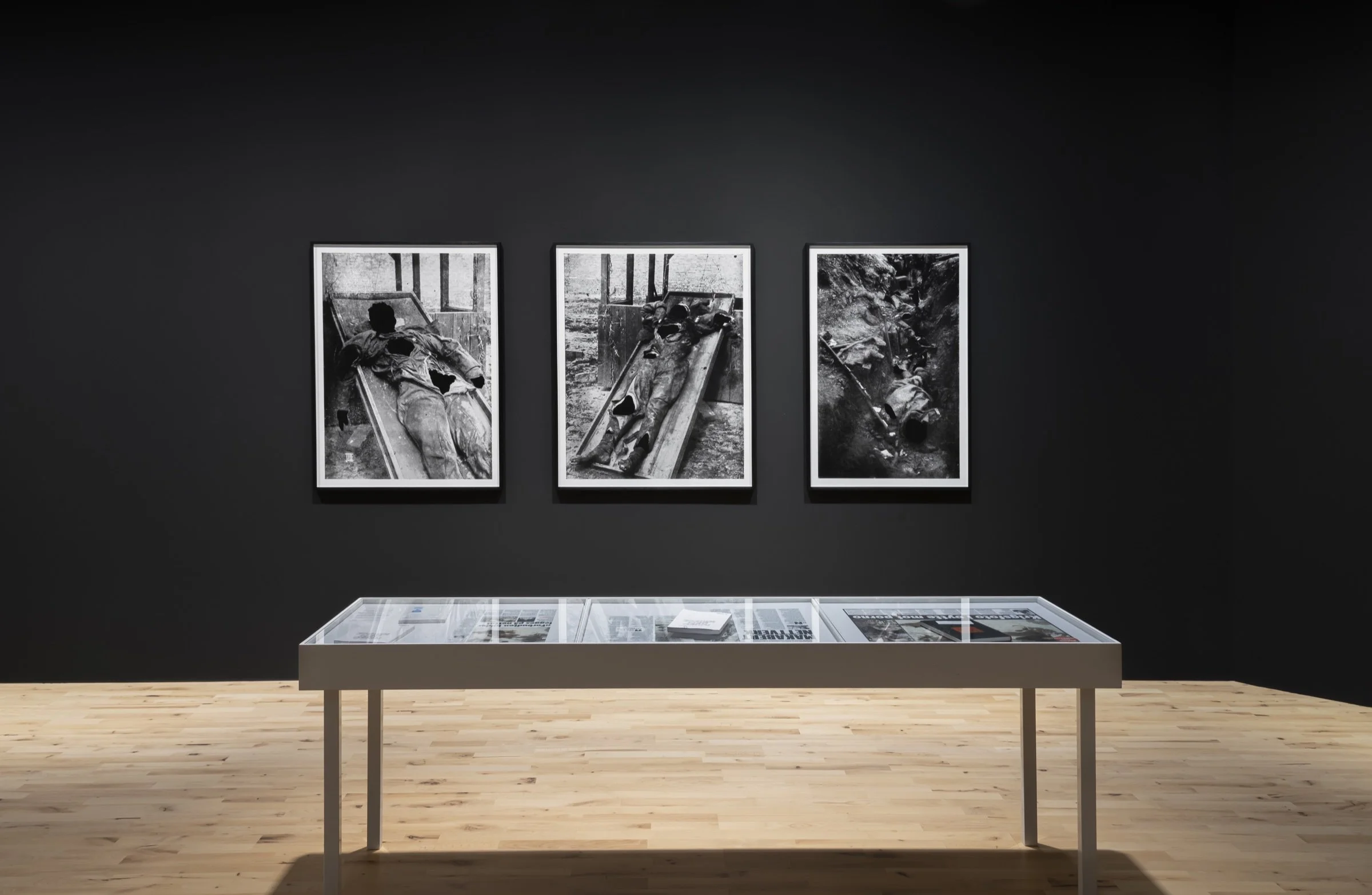
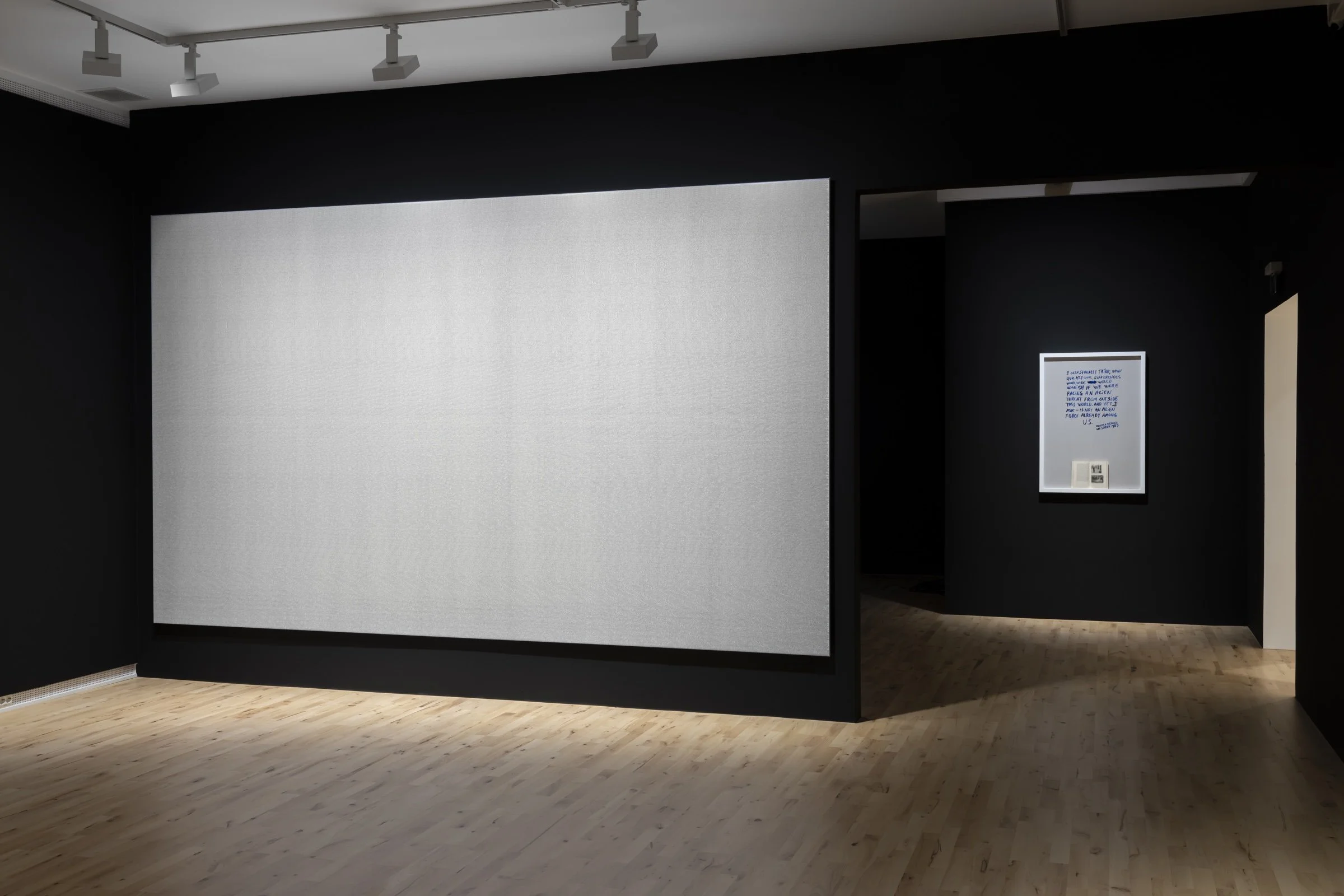
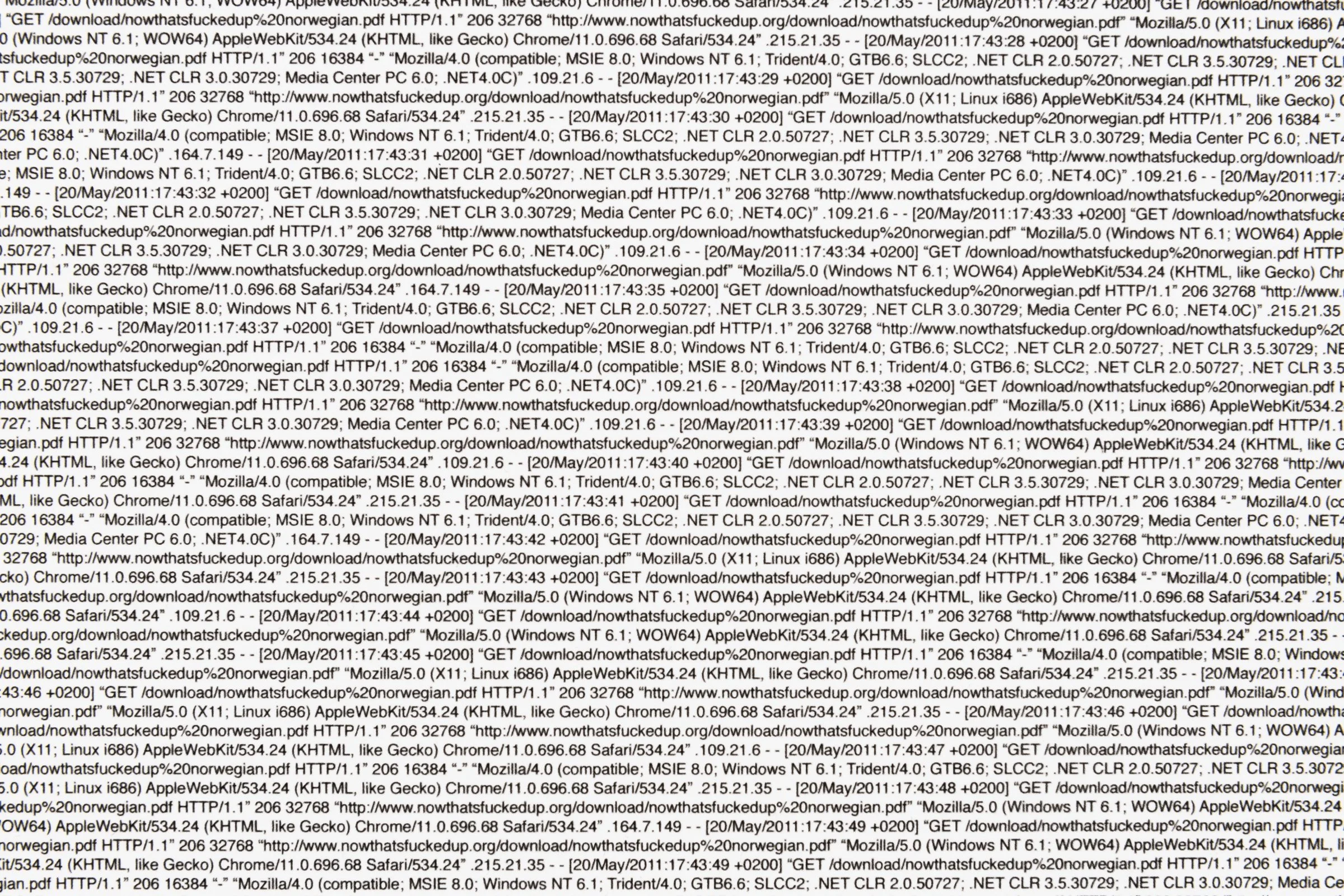
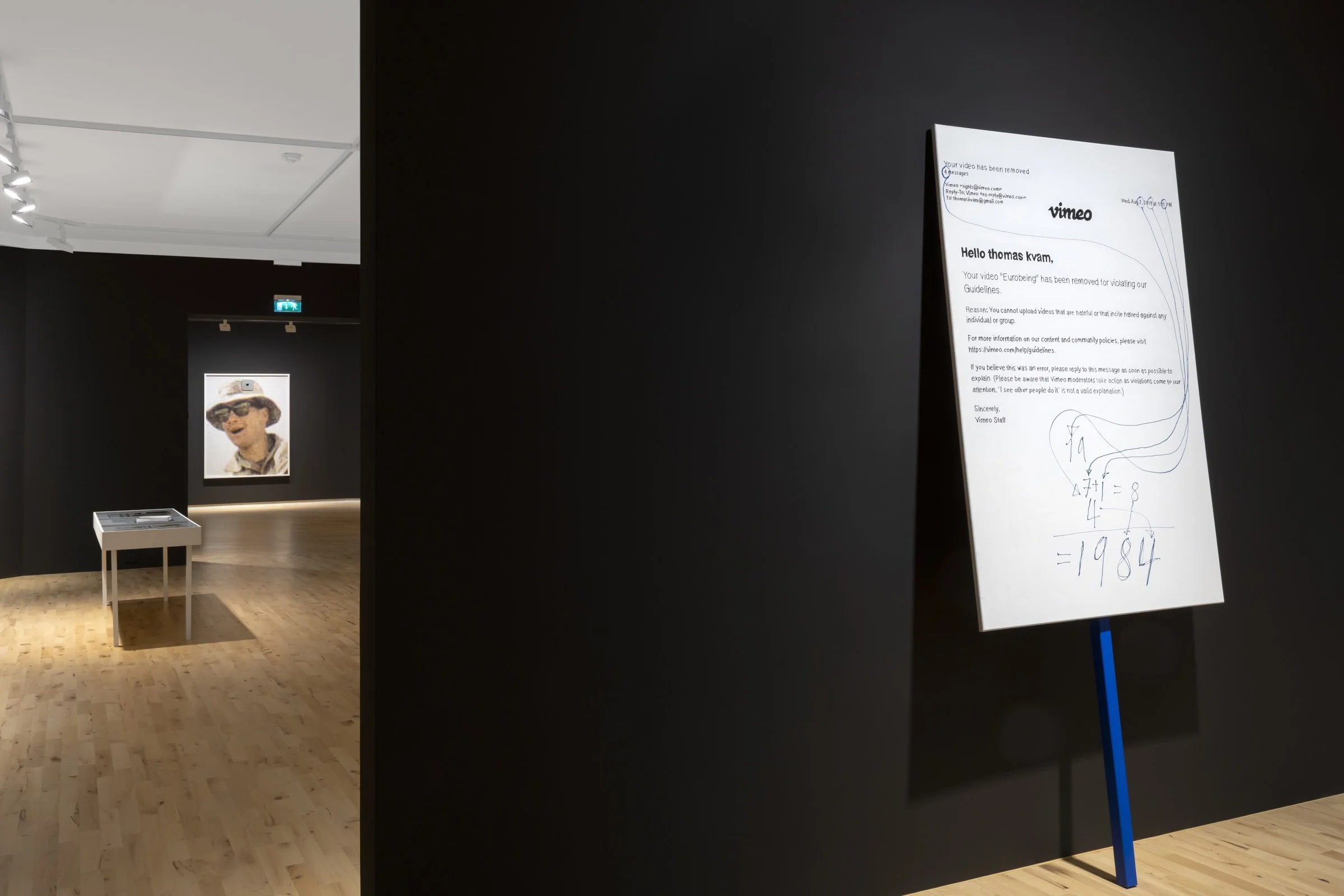
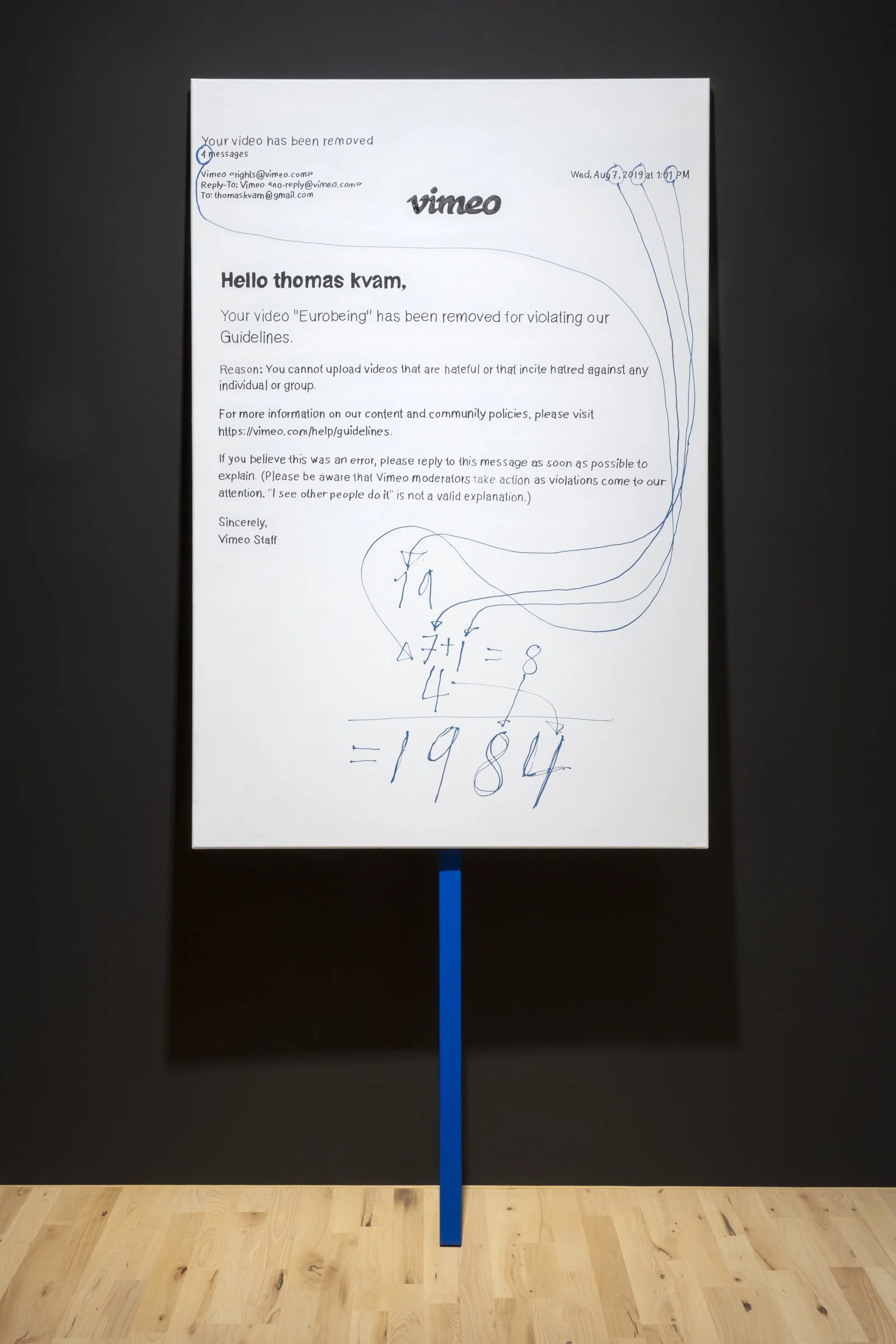
In Whiteout, white fields cover the victims’ bodies. Censorship becomes the visible artistic gesture: the suffering disappears, while the photograph becomes available as an art object. Attack prints the server log of the hacking attack that disabled the website distributing Kvam’s book. From a distance it resembles a monochrome; close up, its surface records the destruction of access.
Natural Born Pollock stages a more brutal reversal of looking. What can initially resemble the gestures of abstract painting is a photograph of bodily destruction. The title connects Jackson Pollock’s heroic action painting with Natural Born Killers, making aesthetic pleasure itself unstable.
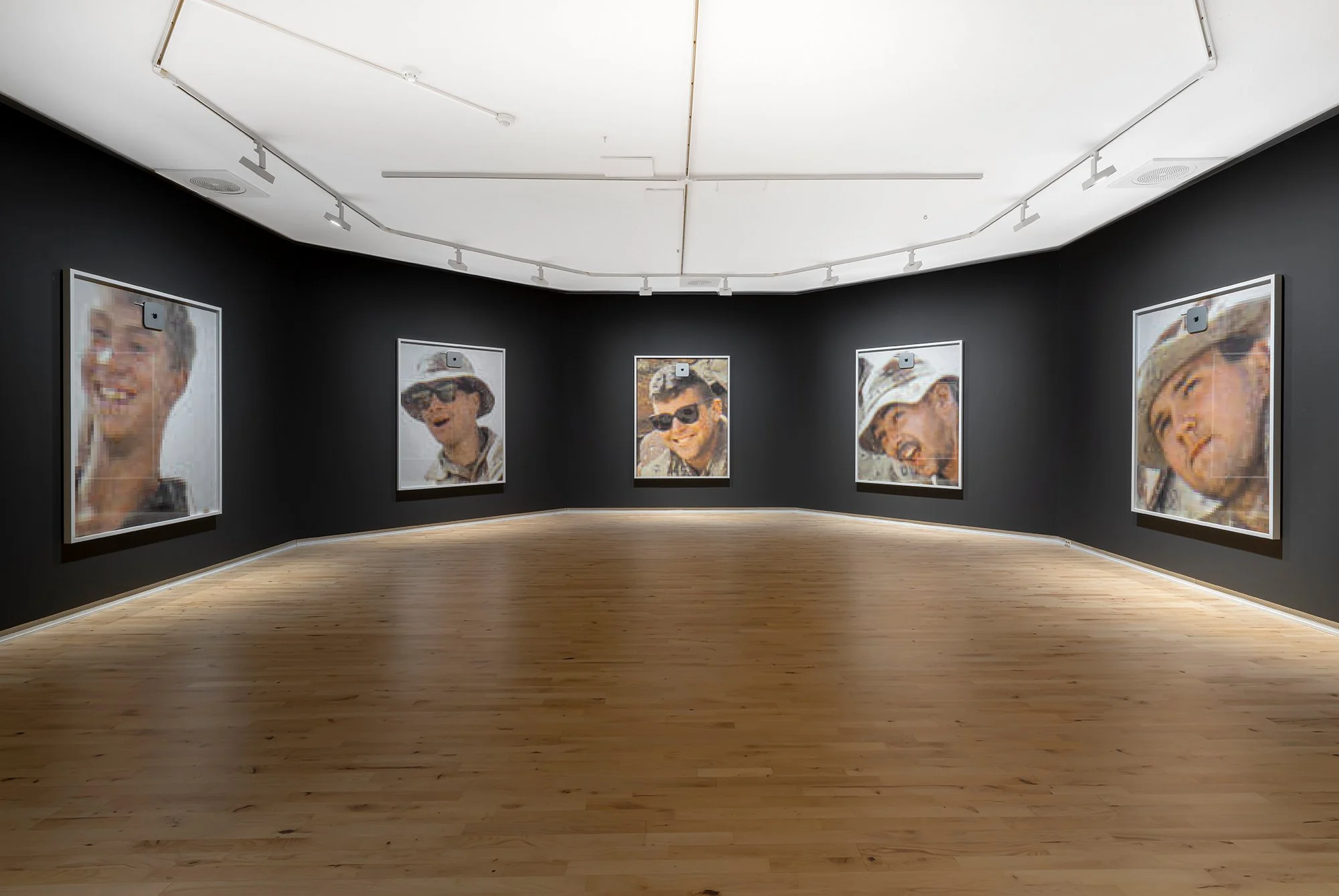
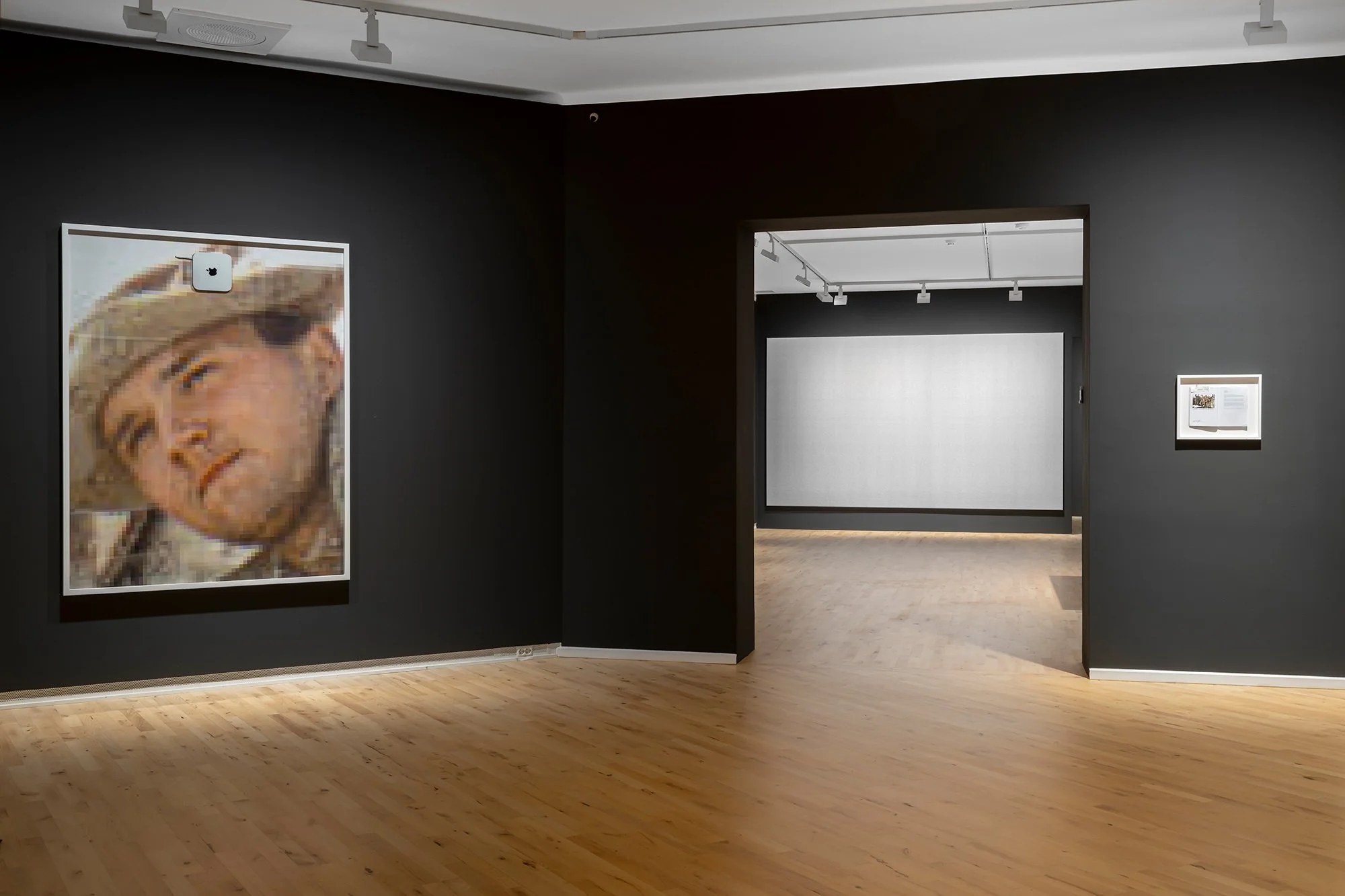
In The Chosen Five (2015), five portraits extracted from a photograph of soldiers posing over a burnt corpse are connected to computers using facial-recognition searches. Developed for Krigens skygge at Kunstnernes Hus, the installation turns surveillance technology towards the soldiers themselves, attempting to identify and confront them with the image. The installation reverses the usual direction of surveillance: the military gaze becomes the object of a civilian search.
Across these works, the artist has no innocent position outside the exchange. Images that once bought pornography can now generate artistic prestige and market value. The collector and the museum enter the same question: what happens when the suffering of others acquires a new owner, a new audience and a new price?
Exhibition history
Selected presentations of the book and related works, 2011–2021.
2011 · House of Foundation, Moss
Endgame Narrative / Archive Comparative, 12 May–7 June. The book presented alongside Rantology.
2012 · Galleri Van Bau, Vestfossen
Whiteout violence / Censorship alliance. Solo exhibition extending the book into photographic works and Attack.
2012 · Extra City Kunsthal, Antwerp
How Much Fascism? / Cross-examinations #2, 5 October–11 November. Curated by WHW and Mihnea Mircan; the book and Attack.
2015 · Kunstnernes Hus, Oslo
Krigens skygge. Politisk kunst i Norge 1914–2014, 30 January–29 March. Curated by Kari J. Brandtzæg; The Chosen Five.
2018 · Berkeley Art Museum and Pacific Film Archive, California
Agony in Effigy: Art, Truth, Pain, and the Body, 21 February–17 June. The book was exhibited in a historical examination of represented suffering, alongside works including Goya’s The Disasters of War. Curated by Philippe Pirotte with Matthew Coleman. Museum exhibition text (EN, PDF).
2021 · Haugar Kunstmuseum, Tønsberg
SchizoLeaks, 25 September–30 December. The project shown together with Rantology and The Hamsun Sessions. Museum presentation.
Press and writing
Coverage of the book, its later works and their exhibition contexts. Original article titles are retained. Norwegian unless marked EN; some links may require a subscription.
Artnet News · EN
Artist Thomas Kvam Uses Facial Recognition Software to Track Alleged American War Criminals — Hili Perlson, 27 February 2015.
Dagbladet
Byttet krigsfoto mot porno — Vegard Kristiansen Kvaale, Morten Strand and Martine Aurdal, 2011.
Legger «forbudte» bilder på nett — Morten Strand, 2011.
Ubehagelig viktig — Martine Aurdal, 2011. Commentary on publication and the newspaper’s decision to withhold the download address.
«Krigens skygge» på Kunstnernes Hus er en historieleksjon om kunst som sosial og politisk orientering — exhibition review, 2015.
Morgenbladet / Boktips
Krig i kunst heller enn kunst i krig — Cornelius Jakhelln. Published in Morgenbladet, 20 May 2011; linked to the author’s republication on Boktips.
KUNST / Fineart
I nettets mulm og mørke — Helena Brodtkorb, 2016. Interview discussing the archive, online behaviour and The Chosen Five.
East Bay Monthly / ArtOpticon · EN
Agony in Effigy: Art, Truth, Pain and the Body at Berkeley Art Museum — DeWitt Cheng, May 2018. Review of the Berkeley exhibition; linked to the critic’s republication.
Further print coverage
Espen Stueland, “Makabert nettverk”, Klassekampen / Bokmagasinet, 10 September 2011, pp. 10–11.
Klaus Rothstein, “Patriotisk porno”, Amnesty, Denmark, no. 3, 2011, pp. 36–37.